Long before an electrical connection arcs, trips a main breaker, or melts insulation, it reveals itself as heat. High-resistance terminations, oxidized aluminum lugs, pitted motor contactor tips, and unbalanced 3-phase feeders all generate localized infrared radiation under load. Scotty Electric Co. performs live, non-invasive infrared thermographic scans—paired with True-RMS ampacity testing—to locate and repair hidden thermal anomalies before they cause costly unplanned downtime or electrical fires.
Commercial, Industrial & Residential Thermographic Scan Services
For commercial buildings, manufacturing shops, and light industrial facilities across Tulsa and Sand Springs, a single burned-out 3-phase main breaker or melted motor starter can halt production for days. More importantly, commercial property insurers increasingly require documented periodic infrared thermographic inspections under NFPA 70B standards.
For homeowners—especially those buying an older Tulsa home, adding a high-draw Level 2 EV charger, or experiencing mysterious breaker trips and burning odors—a targeted thermal scan of the main service panel, subpanels, and heavy 240V circuits provides immediate peace of mind.
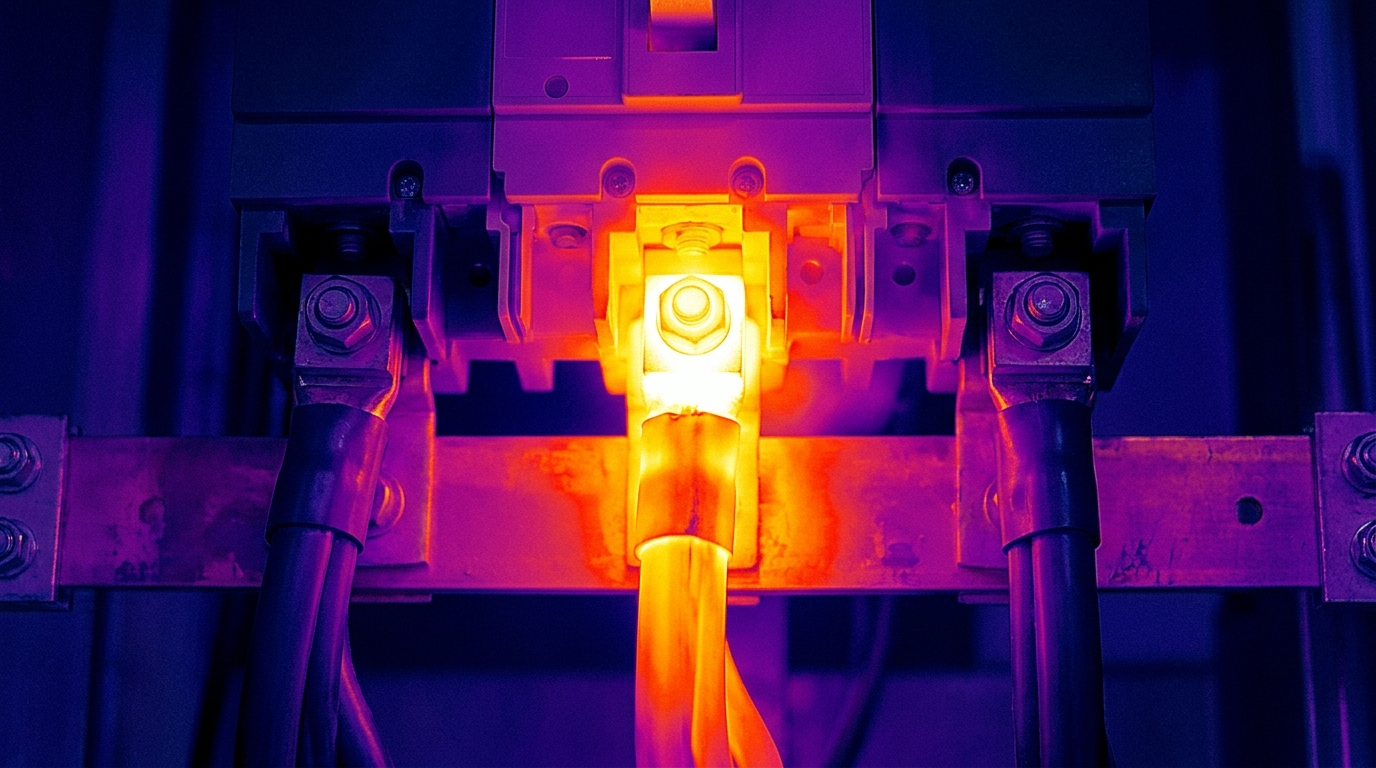 HARDWARE DETAIL
- Commercial & Industrial Preventive Maintenance Scans: Main distribution panels (MDPs), 3-phase subpanels, fused disconnects, busways, and transformers
- Motor Control Centers (MCCs) & Industrial Cabinets: Magnetic contactors, thermal overloads, VFDs, PLC power supplies, and high-amp relay banks
- Insurance & NFPA 70B Compliance Documentation: Clear thermal + visible-light reference images with amperage readings and prioritized repair actions
- Residential High-Load & Pre-Purchase Panel Scans: Verifying main service lugs, aluminum branch circuits, HVAC feeds, and continuous EV charging circuits
Quantitative Delta-T (ΔT) Analysis — And Why Hiring an Electrician Matters
A pretty rainbow thermal picture doesn't fix a burning panel. Many third-party thermography vendors walk through a building, hand you a 40-page PDF of hotspots, and leave you to hire an electrician anyway. When Scotty Electric Co. performs your thermographic scan, a seasoned troubleshooter is standing right in front of the equipment.
We evaluate both the Delta-T (ΔT) temperature difference between comparable phases under identical load and the Delta-T above ambient enclosure temperature. Once an anomaly is identified, we can safely isolate the circuit, inspect busbars for pitting or annealing, replace heat-stressed breakers, clean or re-lug conductors, torque terminations to manufacturer inch-pound specifications, and perform a follow-up thermal verification scan.
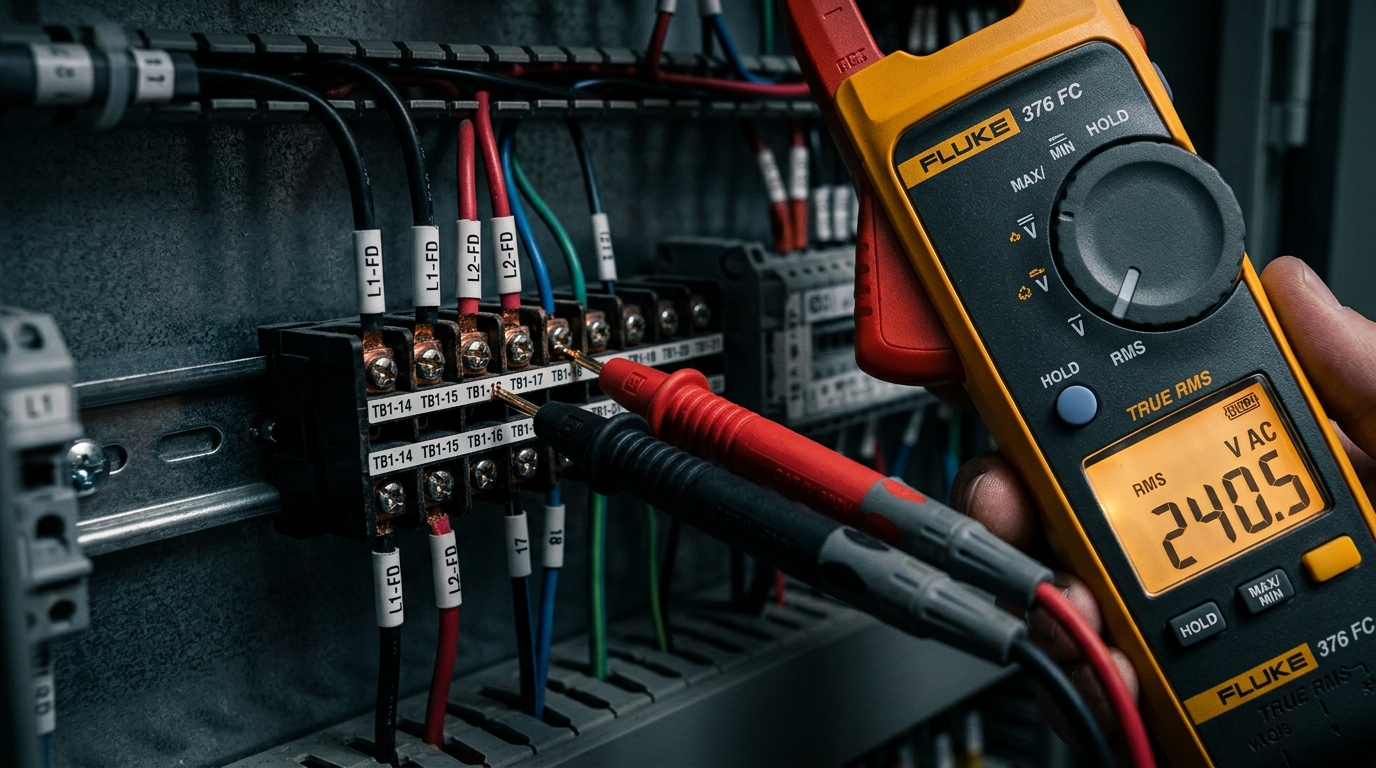 HARDWARE DETAIL
What We Find vs. How We Build It
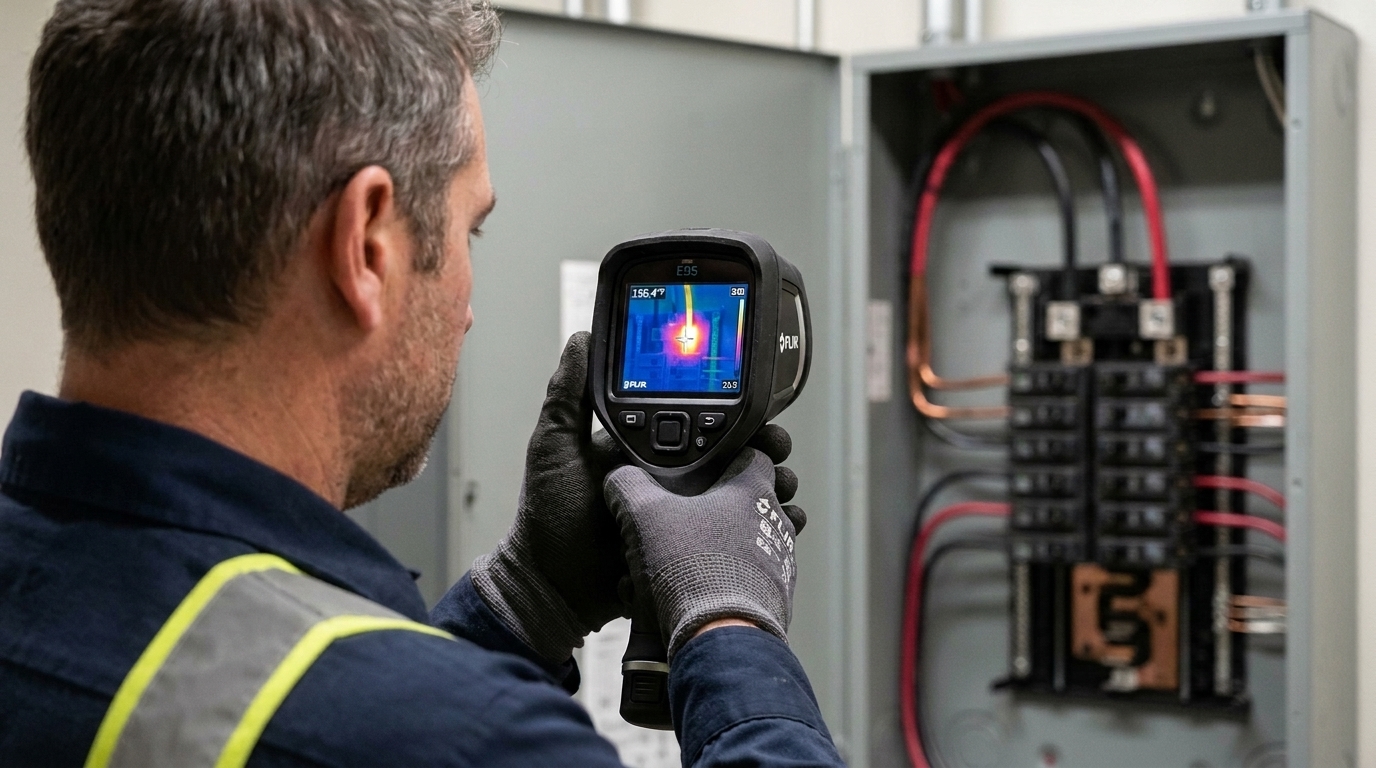

Why We Do It This Way — Infrared Inspection & Thermal Standards
Here are the industry standards and electrical principles that govern how we conduct infrared thermographic inspections and evaluate terminal temperatures:
Standard for Electrical Equipment Maintenance — Infrared Thermography
NFPA 70B transitioned from a recommended practice to a mandatory standard for electrical preventive maintenance Programs (EMPs), requiring periodic infrared thermographic inspections of electrical equipment at least annually (or every 6 to 12 months for critical/industrial gear) to detect loose connections and overloaded components.
We perform systematic infrared surveys of your panels, switchgear, and motor controls while energized under normal load, helping commercial and industrial facilities satisfy insurance and safety requirements while preventing unplanned shutdowns.
Delta-T (ΔT) Temperature Rise Severity Classifications
NETA guidelines classify thermal anomalies by comparing the temperature of a suspect connection against a similar phase component under the same load (ΔT between similar components) or against ambient air: a ΔT of 1°C–3°C warrants monitoring, 4°C–15°C indicates probable deficiency requiring scheduled repair, and >15°C above a similar phase (or >40°C above ambient) demands immediate major repair.
Instead of guessing whether a warm breaker is normal or dangerous, we use quantitative ΔT comparisons alongside live amp readings to prioritize repairs clearly—fixing critical hazards immediately.
Equipment Terminal Temperature Ratings (60°C / 75°C) & Calibrated Torque
Even if a wire has 90°C THHN insulation, most circuit breakers and equipment lugs are rated for a maximum termination temperature of 75°C (167°F)—or 60°C (140°F) on smaller 100A/14–1 AWG circuits. Operating a breaker lug above 75°C anneals the internal spring clip and degrades the breaker calibration.
When a thermal scan shows a termination approaching or exceeding its 75°C rating, we cut back any heat-embrittled copper, replace compromised breakers, and torque the new termination to exact manufacturer specifications.
Phase Load Imbalance, Contactor Pitting & Neutral Harmonic Heating
In 3-phase panels and motor controls, an unevenly heated phase may be caused by severe load imbalance or a single-phasing/pitted contactor pole rather than a loose lug. Similarly, an overheating neutral bar in a commercial panel is often caused by triplen harmonics from LED drivers and switch-mode power supplies.
Because we pair our thermal camera with a True-RMS multimeter, we immediately measure phase-to-phase current balance, voltage drop across contactor poles, and neutral current—solving the actual electrical problem on the first visit.